Silos and Granaries: Differences for Safe Feeding

In the heart of the agroindustry, ensuring safe and quality food is paramount. Agricultural warehouses, whether silos or barns, play a fundamental role in preserving agricultural products. However, it is crucial to understand the key differences between these two storage systems to make informed decisions and ensure that food reaches our table safely.

In the heart of the agroindustry, ensuring safe and quality food is paramount. Agricultural warehouses, whether silos or barns, play a fundamental role in preserving agricultural products. However, it is crucial to understand the key differences between these two storage systems to make informed decisions and ensure that food reaches our table safely.

The Importance of Agricultural Storage

The agroindustry faces a growing demand for food as the global population continues to expand. The pressure to ensure food safety and quality is higher than ever. This is where agricultural storage comes into play. Silos and barns are two common approaches to keeping agricultural products safe from factors such as moisture, pests, and degradation.

Silos: Efficiency and Control

\"\"
In the heart of the agroindustry, ensuring safe and quality food is paramount. Agricultural warehouses, whether silos or barns, play a fundamental role in preserving agricultural products. However, it is crucial to understand the key differences between these two storage systems to make informed decisions and ensure that food reaches our table safely.

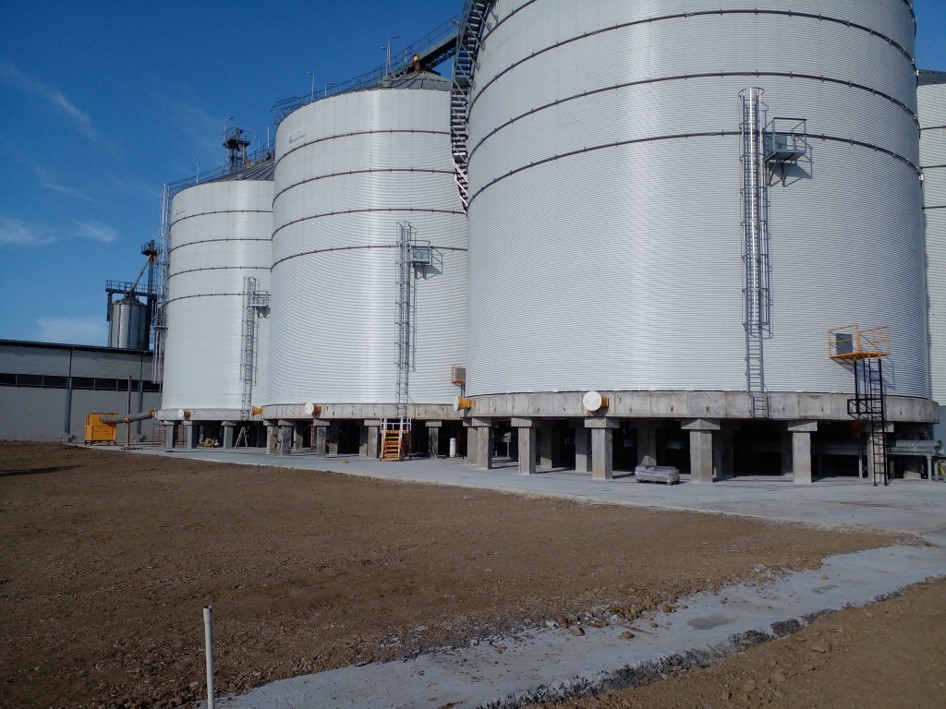
Silos are cylindrical or tower-shaped structures designed to store bulk agricultural products, such as grains and seeds. Their airtight design provides rigorous control over storage conditions, such as temperature and humidity, which helps prevent pest proliferation and keeps food in optimal condition.

Controlled ventilation and refrigeration are common features of silos, allowing for long-term storage without the risk of contamination or loss of quality. This translates into safer food and higher commercial value.

Barns: Versatility and Short-Term Storage

In the heart of the agroindustry, ensuring safe and quality food is paramount. Agricultural warehouses, whether silos or barns, play a fundamental role in preserving agricultural products. However, it is crucial to understand the key differences between these two storage systems to make informed decisions and ensure that food reaches our table safely.

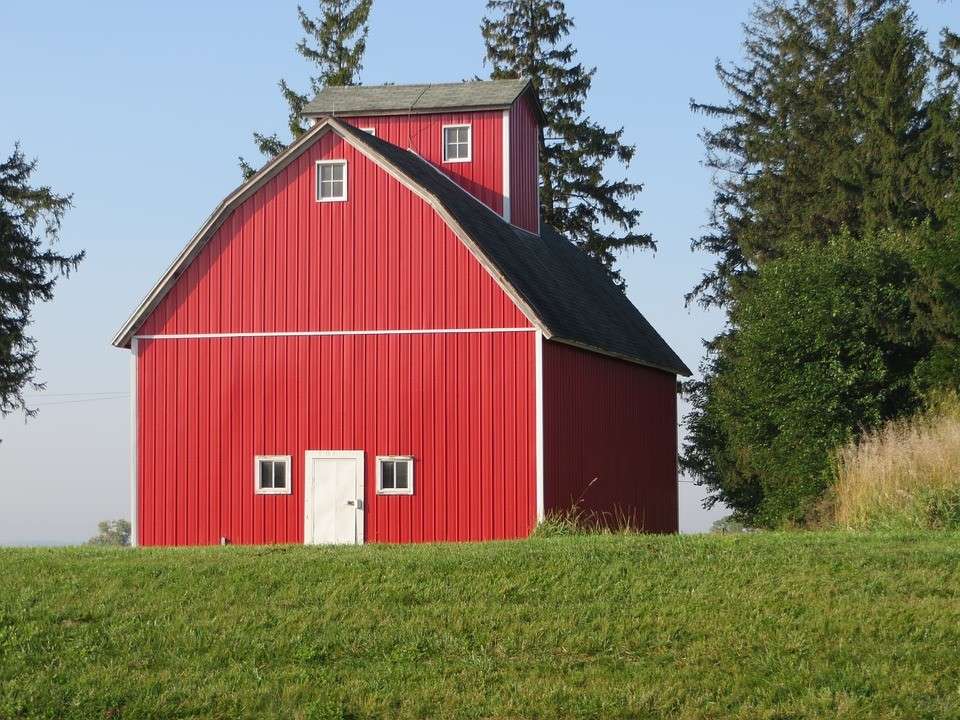
Barns are ideal for storing agricultural products that are used quickly or intended for the local market, but their lack of climate control can pose challenges when it comes to long-term storage or exporting foods sensitive to moisture and temperature.

What is the Best Option?

When it comes to understanding the differences between Silos and Barns, the best option depends on various factors, including the type of agricultural products being stored, the duration of storage, and market needs. To achieve safe and sustainable food, it is essential to carefully evaluate these differences and select the appropriate solution.

ATS: Your Partner in Storage Solutions

At ATS – Agri Technology Solutions, we understand the importance of safe and high-quality food. Our experts can help you make informed decisions about the best storage solution for your specific needs.

If you want to explore more about how to choose between silos and barns or if you have additional questions, do not hesitate to contact one of our expert agricultural storage advisors. We are here to provide you with the technological solutions you need to ensure the safety and quality of your food in the agroindustry. The right choice is essential for a safer and more sustainable future. Let's talk today!


Share this :
Signup our newsletter to get update information, news, insight or promotions.
Scroll to Top
Advisor

Advisor

Online

I will be back soon

Advisor

Welcome to Agri Technology Solutions! 🌱

Hello, we're glad to have you here. I am your virtual assistant, ready to help you with any questions you may have about our products and services.

How can we assist you today?
whatsapp

Whatsapp

linkedin

Linkedin

chat Talk to an Advisor